2. What makes humanoids different from industrial robotics?
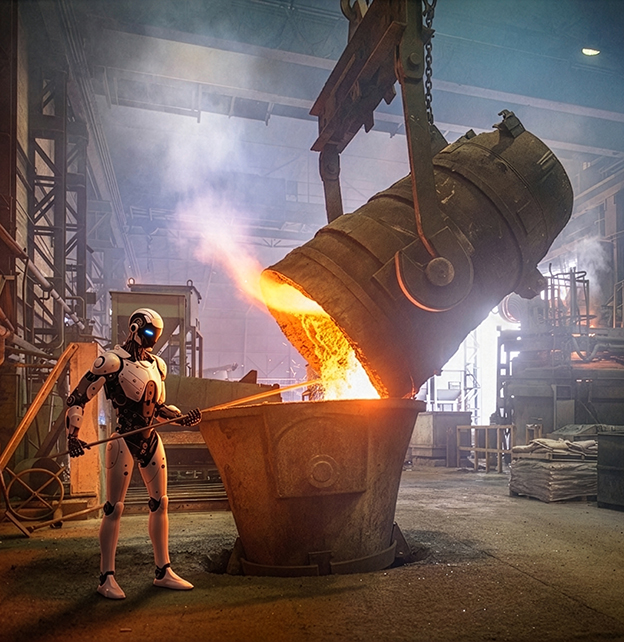
Unlike traditional robots in factories, which are rigid and purpose-built, humanoids represent a paradigm shift in how machines might integrate into the workforce.
Zornitsa Todorova, Head of FICC Thematic Research, anticipates that humanoids could enter the service sector — an area previously closed to traditional automation. This sector demands constant task-switching, contextual judgment and social interaction, which humanoids are uniquely placed to do.
For this reason, while humanoid deployments over the next five years will remain heavily concentrated in industrial sectors such as manufacturing, logistics and warehousing, Todorova predicts that the massive, long-term market opportunity of these robots could lie in consumer-facing roles.