Impact Series 14: AI Gets Physical
AI-powered humanoid robots are set to augment the workforce.



Investment Bank
RESEARCH | IMPACT SERIES | INNOVATION EDGE




CHAPTERS
The humanoid market is set to grow exponentially by 2035
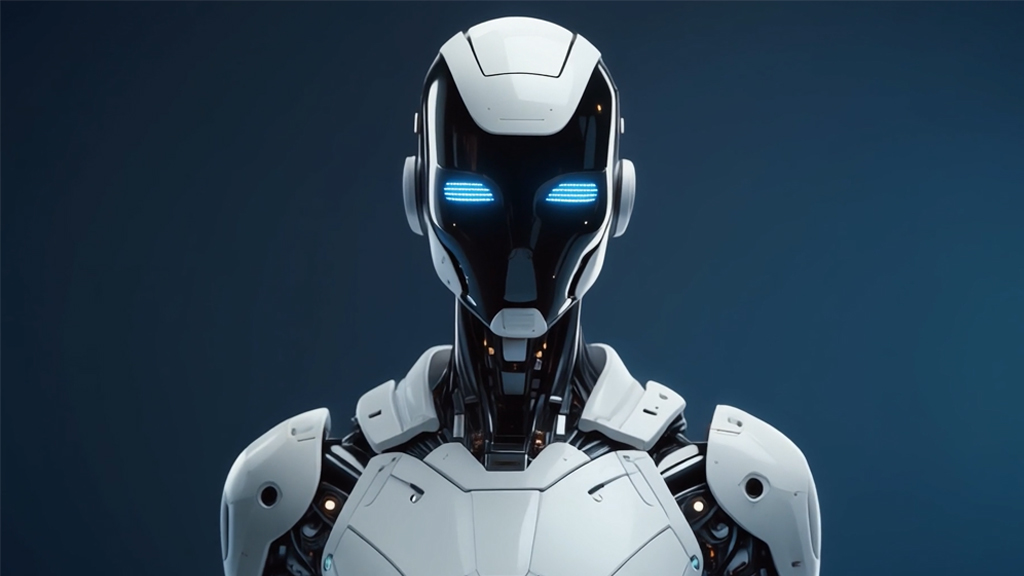
AI-powered humanoid robots are set to augment the workforce.
Gains in AI perception and reasoning have paved the way for real world humanoid deployment

Humanoid robotics is nearing an inflection point. Zornitsa Todorova and Patrick Coffey explore how physical AI, demographic shifts and falling costs are accelerating adoption — and what this means for long‑term investors.
Europe, China, the US and Japan produce the majority of high-precision actuators and host these companies’ headquarters
Humans are more energy-efficient than humanoid robots

Zornitsa Todorova, Head of Thematic FICC Research hosted a panel discussion with leading experts exploring how humanoid robots could augment workforces, and what it means for global strategy, regulation and the future of work.
There are industries in which humanoids can add value

Barclays Research contributors